Our Principles
A more regulated world will not be created by perfect people.
It will be created by ordinary human beings becoming a little more conscious of what we create in one another.
In our homes.
Our friendships.
Our classrooms.
Our workplaces.
Our hospitals.
Our communities.
Our institutions.
And the systems we leave behind.
What are we creating here?
Look upstream

When somebody is struggling, we are often quick to focus on the behaviour in front of us.
But behaviour has a history.
Looking upstream means becoming curious about what came before.
What is wrong with you?
What happened?
What was missing?
What did you learn you had to become?
What is happening now?
And what conditions are surrounding you?
This does not mean every difficulty is caused by trauma.
It means recognising that human beings make more sense when we understand the context in which they developed.
And if we want fewer crises, we must become more interested in what happens before the crisis arrives.
What sits underneath what we can see?
Regulation is capacity, not calm

A regulated person is not somebody who never becomes angry, frightened, overwhelmed or distressed.
A regulated world is not a permanently peaceful one.
Regulation is the growing capacity to remain connected to ourselves, to other people, to our values and to choice when life becomes difficult.
It creates a little more space between what happens to us and what we pass on.
Enough space to notice.
To think.
To think.
To choose.
To return.
Regulation should never become another standard we use to shame people for having human emotions.
Can I stay connected enough to choose what happens next?
Every interaction leaves a trace

Relationships are shaped through thousands of moments that can look insignificant from the outside.
And sometimes the absence of those things.
We will not always know what another person makes of our behaviour.
People are busy. People become overwhelmed. People have limits.
Nobody should be required to remain endlessly available in order to prove that they care.
But our limits do not mean our impact disappears
What we do matters.
What we say matters.
And sometimes what we do not say matters too.
This is not an invitation to take responsibility for everybody else’s feelings.
It is an invitation to become more conscious of our impact.
Relational integrity can be very ordinary:
I mean what I say.
I try to do what I said I would do.
When I cannot, I communicate.
When I get it wrong, I come back.
What is this moment creating between us?
Understand without excusing
Trauma can help explain behaviour.
It does not automatically excuse it.
Compassion does not require us to remove boundaries.
Understanding does not mean abandoning consequences.
And recognising what happened to somebody does not mean ignoring what they may now be doing to somebody else
A more regulated world must be capable of holding two truths at once:
Something may have happened to you.
And:
You remain responsible for what you do with what happened to you.
We can become more curious about the origins of behaviour without becoming less serious about its consequences.
How can we hold understanding and responsibility together?
Power carries relational responsibility
Power changes the weight of our behaviour.
A parent’s state affects a child differently from a child’s state affecting a parent.
A teacher’s humiliation carries a different weight from a pupil’s frustration.
A manager’s silence can mean something different when that manager has authority over somebody’s livelihood.
A clinician, judge, journalist, politician or public institution can affect people they may never personally meet.
The more power we hold, the more important it becomes to ask not only:
What did I intend?
But also:
What was the impact?
Power itself is not the problem.
Power without reflection can be.
What does my presence make possible in other people?
Build for humanity

But none of them should require us to forget that human beings are the people living inside our systems.
Every family, school, workplace, healthcare service, institution and public system creates conditions that people experience.
Those conditions can produce more fear, humiliation, helplessness and disconnection.
Or they can create greater dignity, agency, safety, responsibility and possibility.
Care is not the opposite of effectiveness.
Often, care is part of what makes effectiveness possible.
What is it like to be a human being inside this system?
Repair matters

No person, relationship or institution will get everything right.
Rupture is part of human life.
A more regulated world is not one without rupture.
It is one with a greater capacity for repair.
Repair does not guarantee reconciliation.
Some relationships cannot or should not continue.
But even endings can be handled with greater humanity.
What happens after something goes wrong?
We do not have to keep passing it on
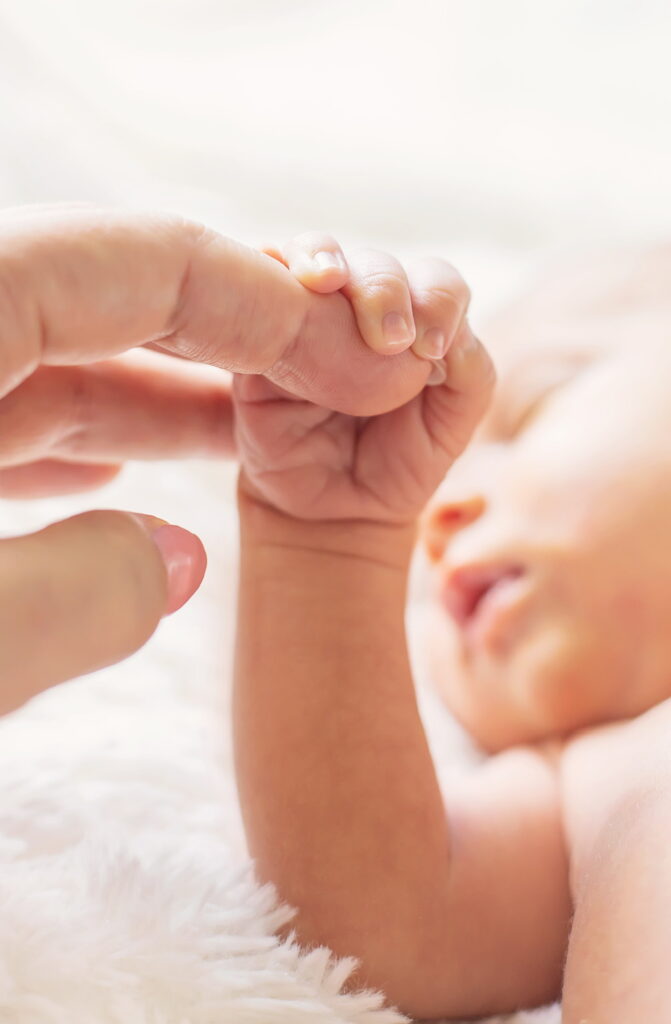
Every generation inherits something.
Love.
Wisdom.
Culture.
Belonging.
But also fear.
Some of what we inherited helped the people before us survive circumstances we may never fully understand.
Some of it may no longer belong in the world we are trying to create.
Healing does not mean rejecting those who came before us.
It means becoming more conscious of what we carry forward.
What was handed to us does not have to be handed forward unchanged.
What ends with me, and what do I want to pass forward instead?
Humanity before framework.
Towards a Regulated World™ draws upon psychology, trauma research, attachment, regulation, systems thinking, leadership, lived experience and many other bodies of knowledge.
The evidence matters.
The frameworks matter.
The language matters.
But none of them matters more than the human beings they are intended to serve.
The aim is not to create perfectly regulated people.
It is to help create conditions in which human beings can become more fully human.
More able to feel.
More able to connect.
More able to disagree without destroying.
More able to hold power responsibly.
More able to repair.
More able to care.
And more able to choose what we pass on.
You do not need to change the whole world.
Begin with the part of it that you touch.